
My 6 Steps To Winterizing Plumbing of Our Camper

We typically spend quite a lot of time in The Camper every year, so it’s a little sad when the temperatures start to get quite chilly and we find it time to pack her up to hibernate for the winter following our halloween/harvest camping traditions.

The first year after purchase of our trailer, the dealer winterized it for free.  But the following year we faced the decision of paying for it to be done or doing it ourselves.  I spent a decade wrenching on cars, pulling them apart and putting them back together.  But for whatever reason, I still didn’t know if I could…or maybe it was more so that I didn’t really have the desire to take on this winterization project.

After mentioning to a friend who had an RV, he laughed at the dilemma I was creating in my head of it and assured me that it was not that hard at all and I could do it my self for the price of one antifreeze bottle.

Being the cheap soul that I am, I took the leap and committed to learn to do it myself.  And Oh My Goodness….so easy!!  It literally takes me more time to sweep, wipe and clean out the interior of all our live-in remnants than it does to do these 6 simple steps.

Of course every unit will vary somewhat.  I share with you the general steps of what works for mine, which will carry over in many regards to others.  It’s notable that all our waste tanks were already drained immediately following our last night of camping.

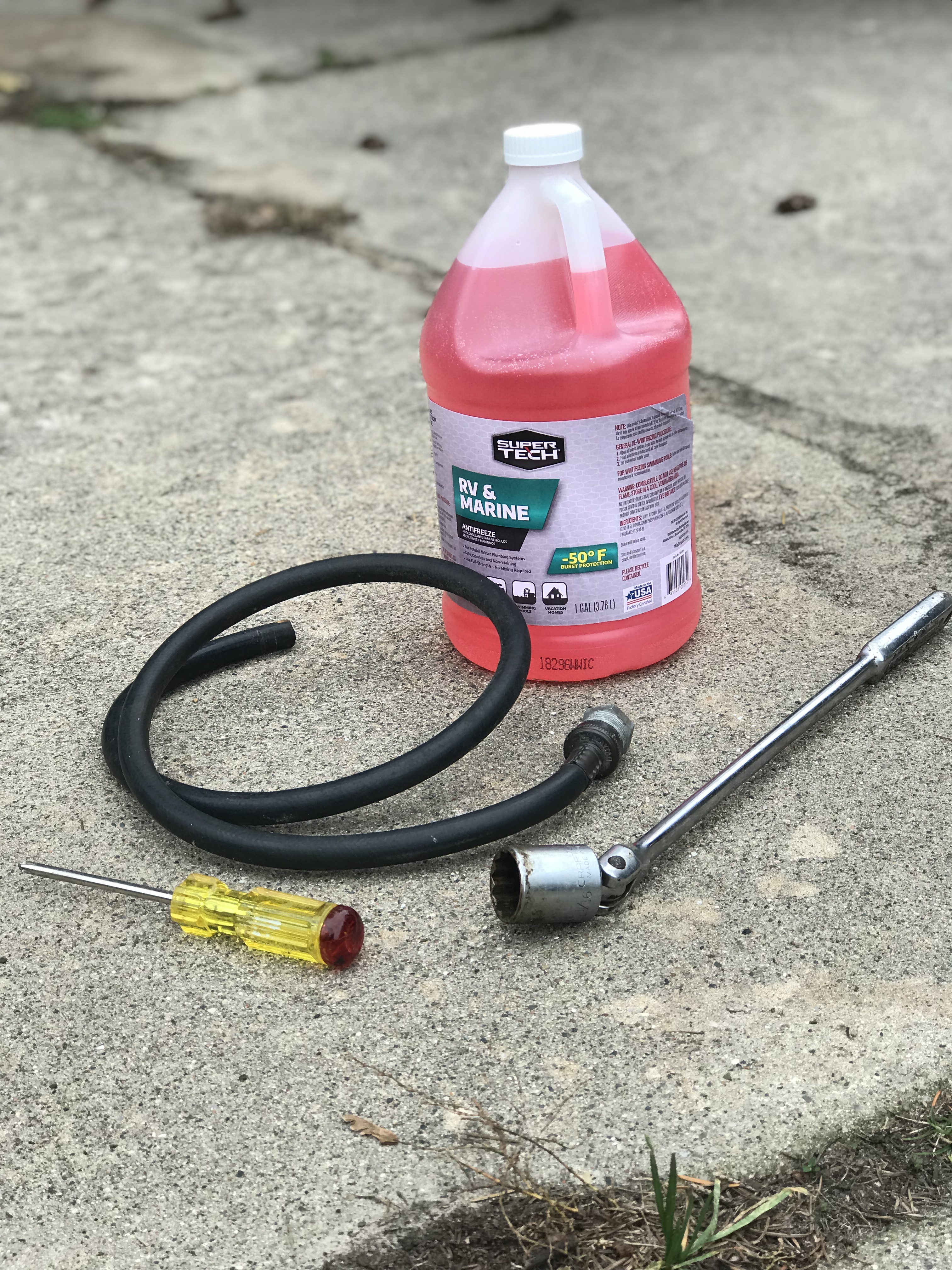
Supplies and tools required:

1 bottle RV & Marine Antifreeze

1 1/16 socket and wrench

Phillips driver

Rubber hose (with treaded adaptor to fit RV)
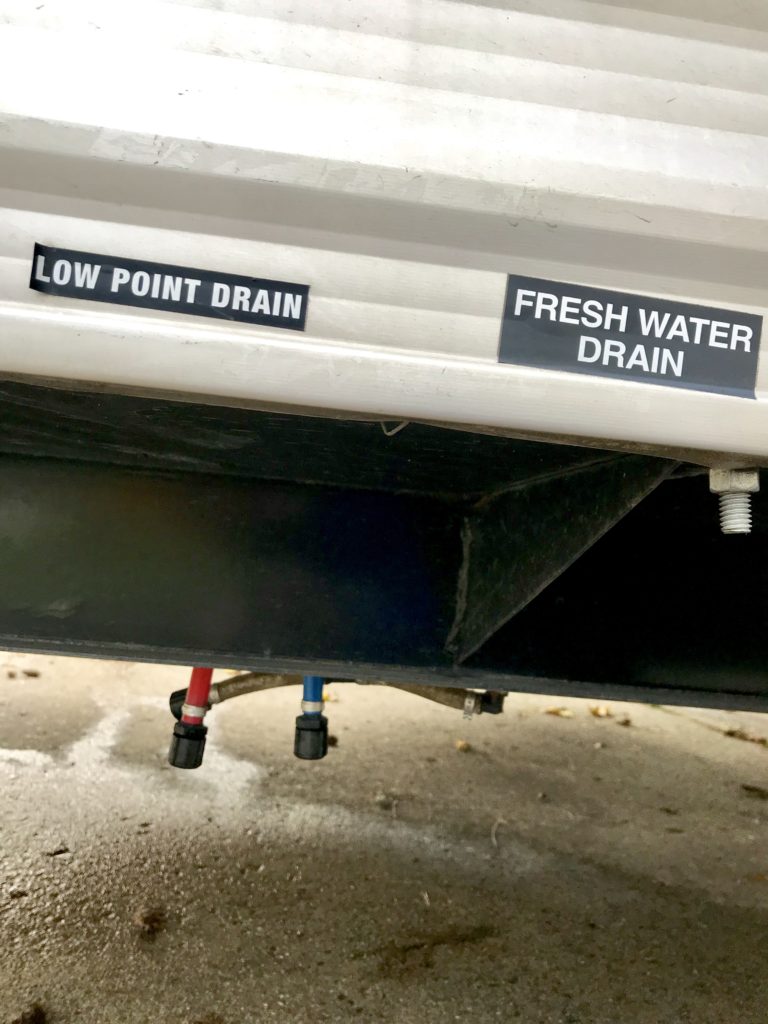
Step 1:

Uncap all the low point drains.  

(My unit has 5)

Allow all water to drain

Replace caps.
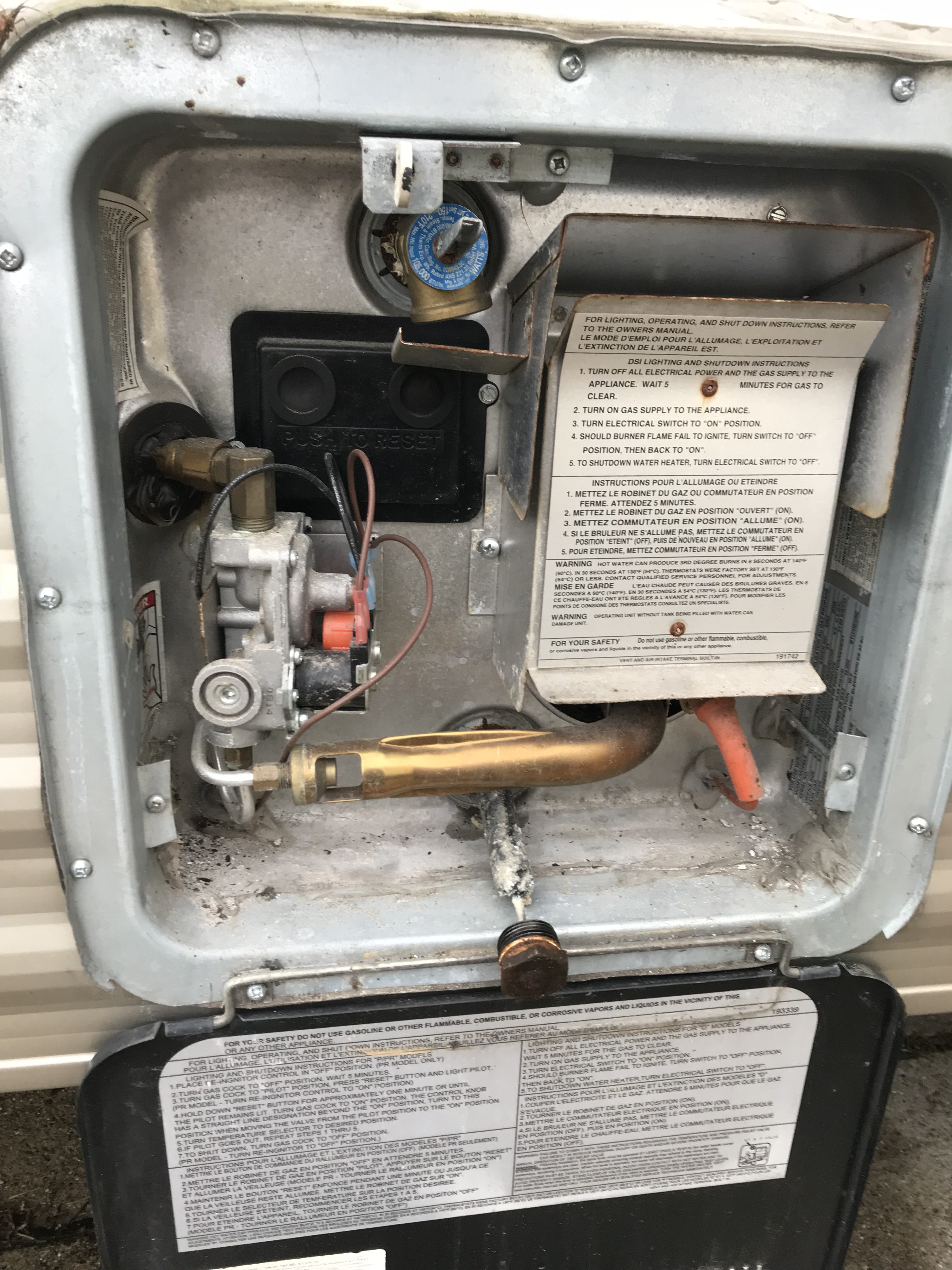
Step 2:

Open hot water maintenance panel on the exterior side wall of the unit.

Within here, open pressure relief valve on top.

Use socket to remove anode at bottom and inspect.

If any water is present, allow to drain.

Close relieve valve.

Replace anode (with existing or new depending on condition).

Close panel.
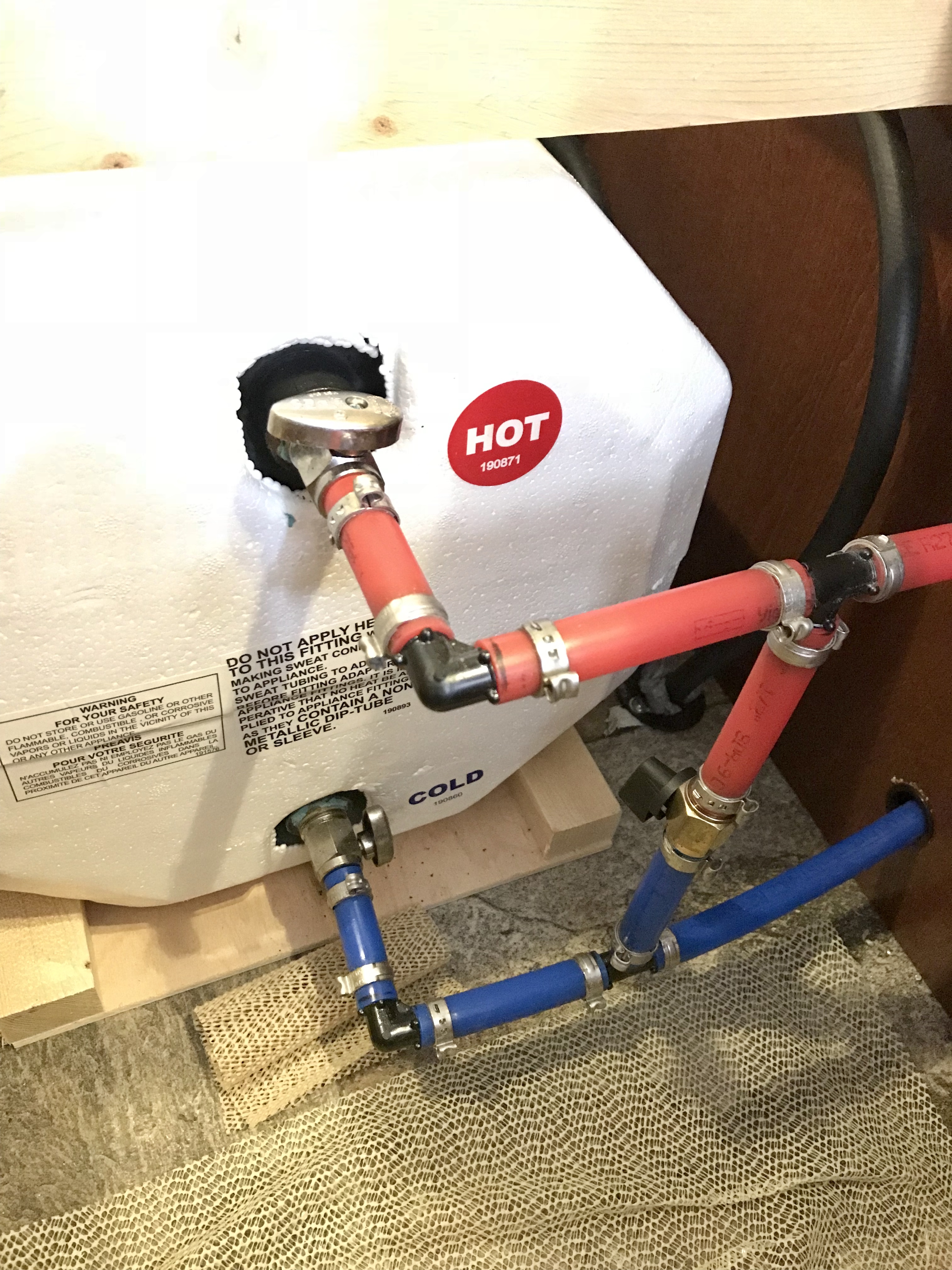
Step 3:

From inside the camper, turn water valves to bypass the heater:

Close the hot valve on the plumbing exiting the heater.

Close the cold valve on the plumbing entering the heater.

Open the valve on the bypass line that runs between the hot and cold lines.
Step 4

Open access to the water pump. (Mine requires removal of a phillips screw)

Use the pig tail line to draw antifreeze into the system.  The line proved in my unit is too short to reach the antifreeze, therefore I use an additional length of hose threaded on to extend the factor provided one.

One end of hose should be connected to the system and the other in the bottle of antifreeze.

Open valve to to allow connection to the water system.
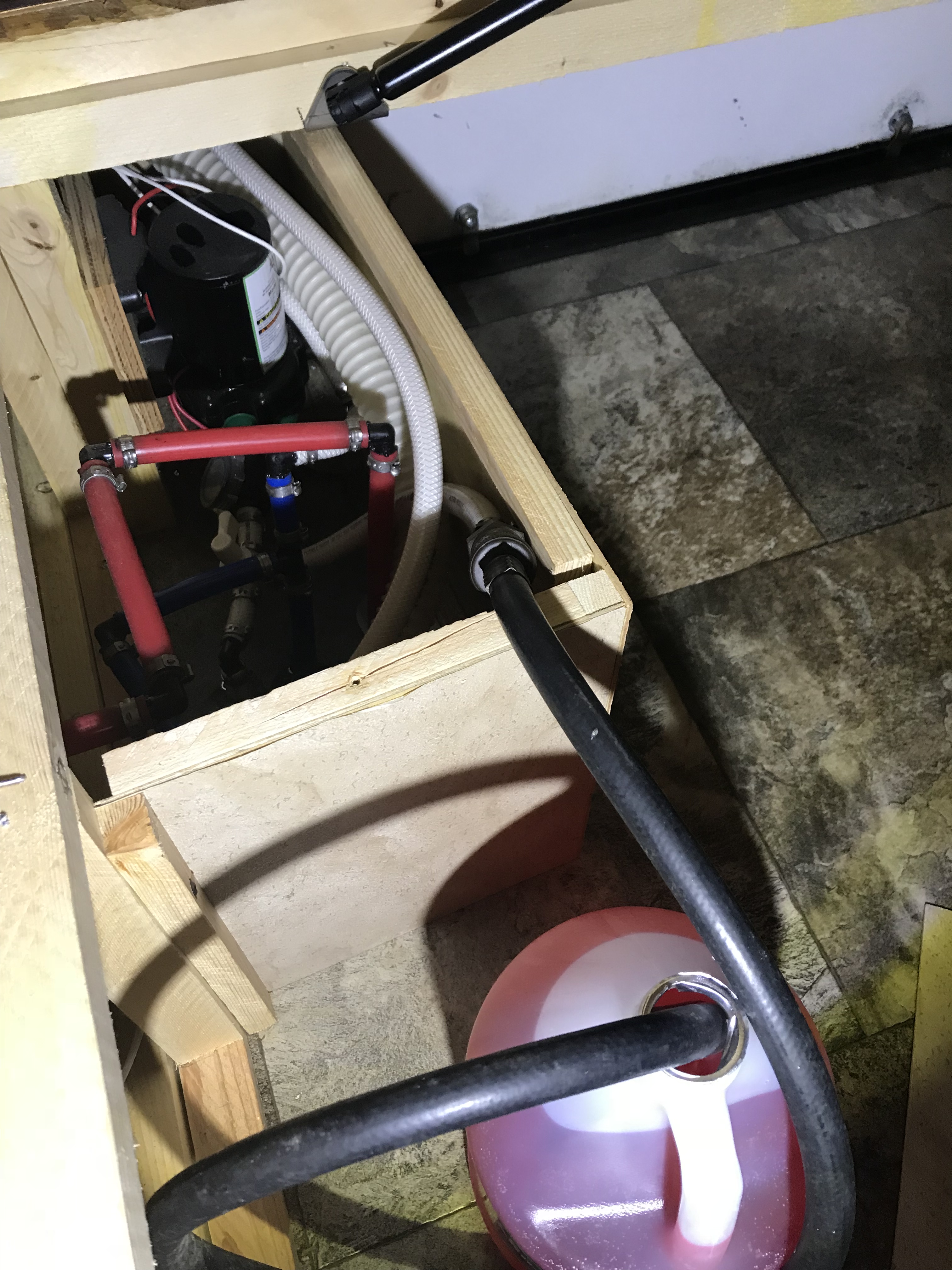
Step 5:

Turn on pump.

Turn on each faucet, one at a time, including hot and cold, until the pink of the antifreeze runs flows through.

Don’t forget, shower head and toilet.
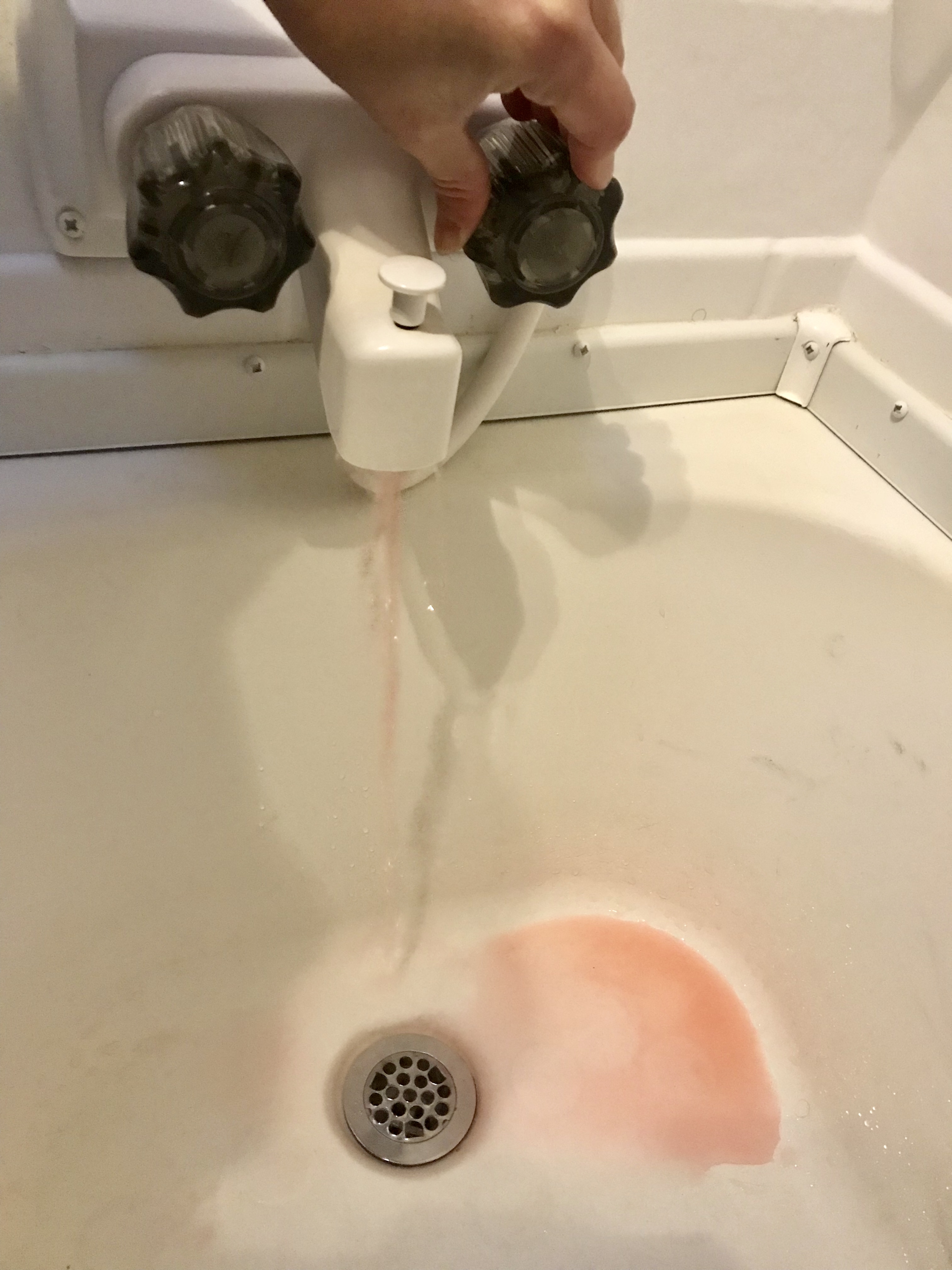
Step 6:

Turn off pump

Turn off faucets

Pour remaining antifreeze in equal parts down all drains

Wipe up excess from sink and tub

After that is complete, we disconnect the battery and store it inside for winter.
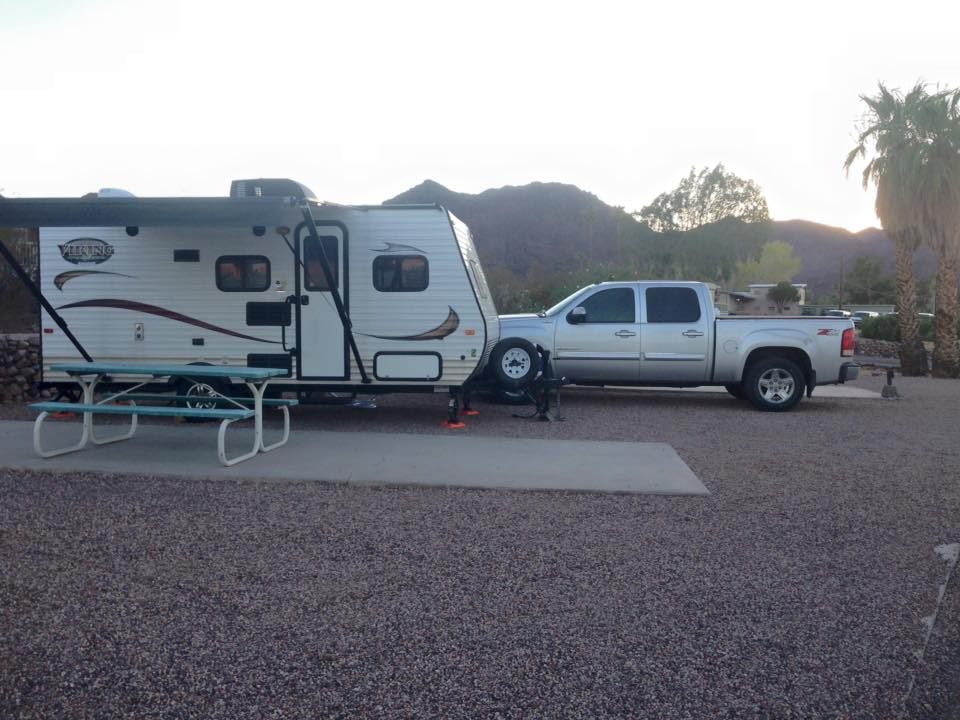
Meet “The Camper”

When I was about eight years old, I boarded a plane in Detroit and flew across the country by myself to San Jose, California where I was received by my aunt and uncle who lived there and my grandparents who were visiting there (they lived back in Michigan too).  After about a week of visiting with my California cousins, I loaded into my Grandma and Grandpa’s car to begin the long DRIVE home.

At the time, I thought it was kind of fun yet I don’t think that I truly valued the experience for what it was.  I didn’t realize at the time, what it was planting inside of me, the bug that it was feeding.

I remember walking on the salt flats in Utah, spotting and counting antelope, wondering around Wall Drug, and staring in amazement of how large those presidents heads were at Mount Rushmore.

Through the years, I’ve always held on to those memories, but I wanted more.  I wanted to see more.  I wanted to do it again as an adult.  But I didn’t just want to do it myself, I wanted my kids to do the same as me.  I wanted them to experience a drive across this beautiful country.  But I didn’t want to stop and haul kids, food, clothes and more in and out of hotel rooms.  I dreamed of loading it all up in a pull behind camper where we would have our own little traveling home.

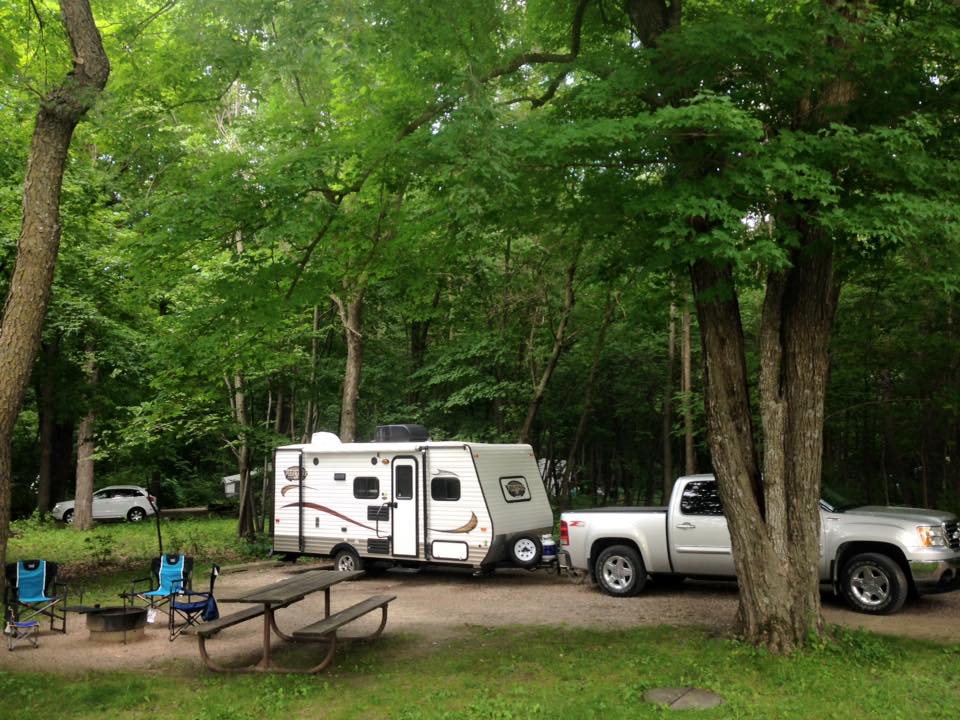
So in 2014, I finally decided to make the dream a reality and began shopping for a camper.  What I wanted was something as small as possible that had everything we needed including designated beds for everyone without converting a dinette or such.  As I dove further into my search, I furthermore decided that I wanted hard sides, with no popups, no foldouts, and no slide outs.  Just a compact self contained box.

And what we got was just that.  A 17 foot bunk house unit.  It has a queen bed, two bunks, a table for 4* (One child and one adult per side with a little overhang), dorm size refrigerator, sink, 2 burner stove, microwave, bathroom with tub and shower.  And the dinette does convert to a bonus bed (we’ve never used it as such)  It is a tiny space and we get under each other’s feet, but I love it!  We have everything we need (and more) loaded up and at our disposal on our adventures.  I absolutely love being able to jump into it when we make a pit stop on long road trips to use the bathroom (I’m kind of a germaphobe) or make a quick lunch.

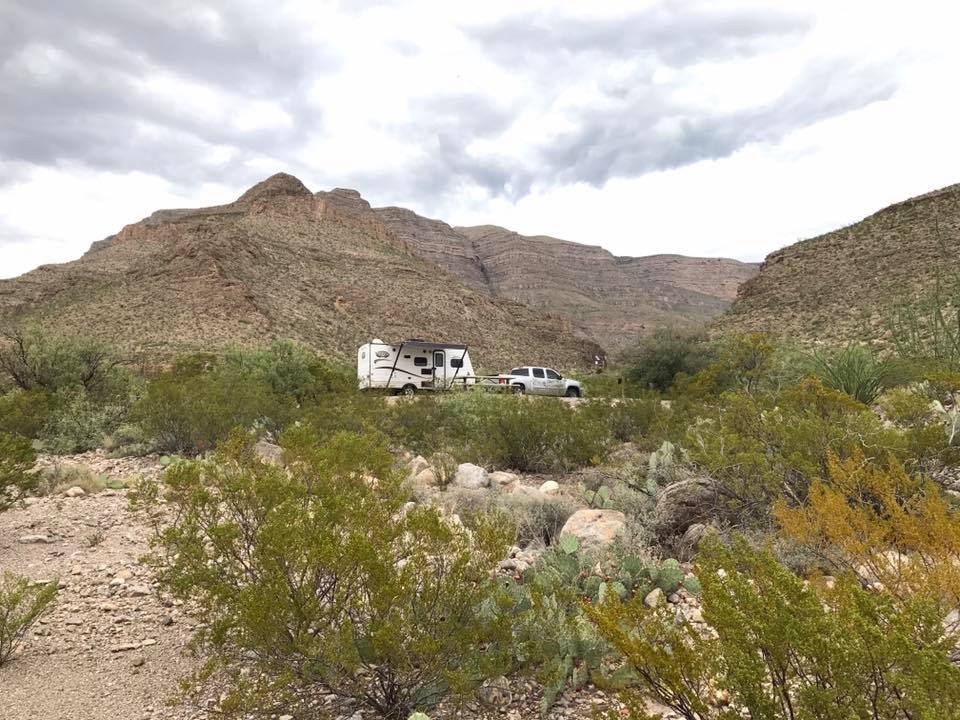
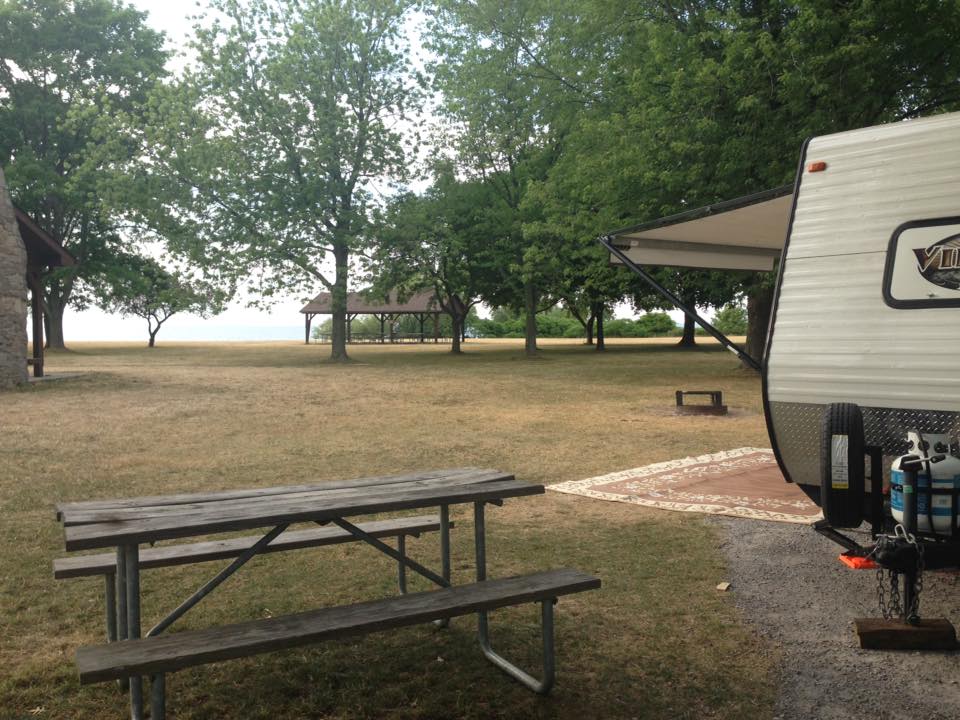
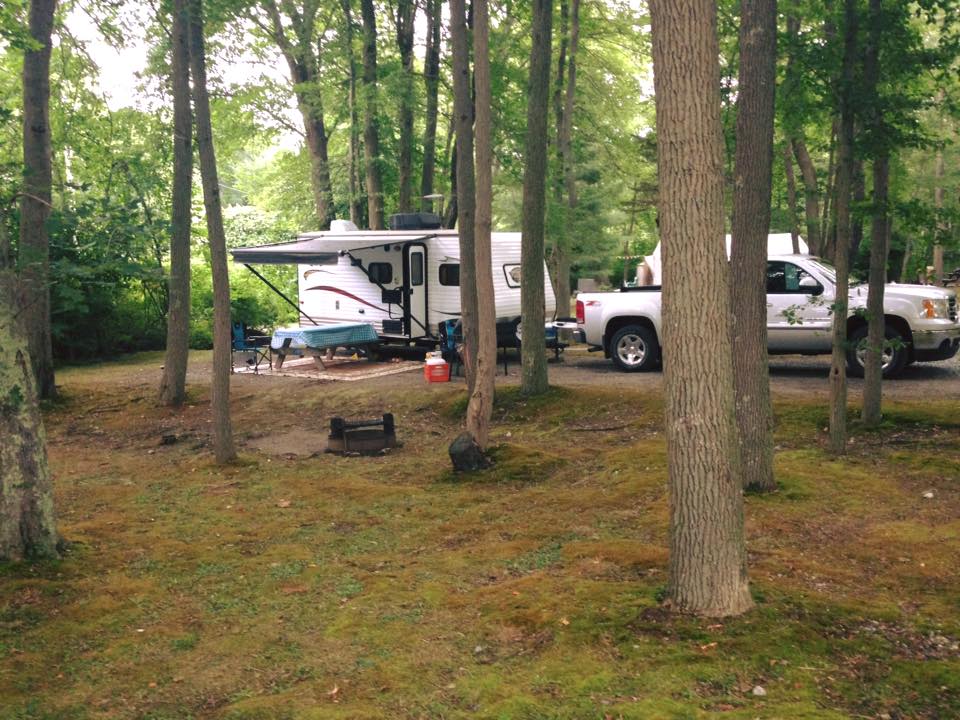
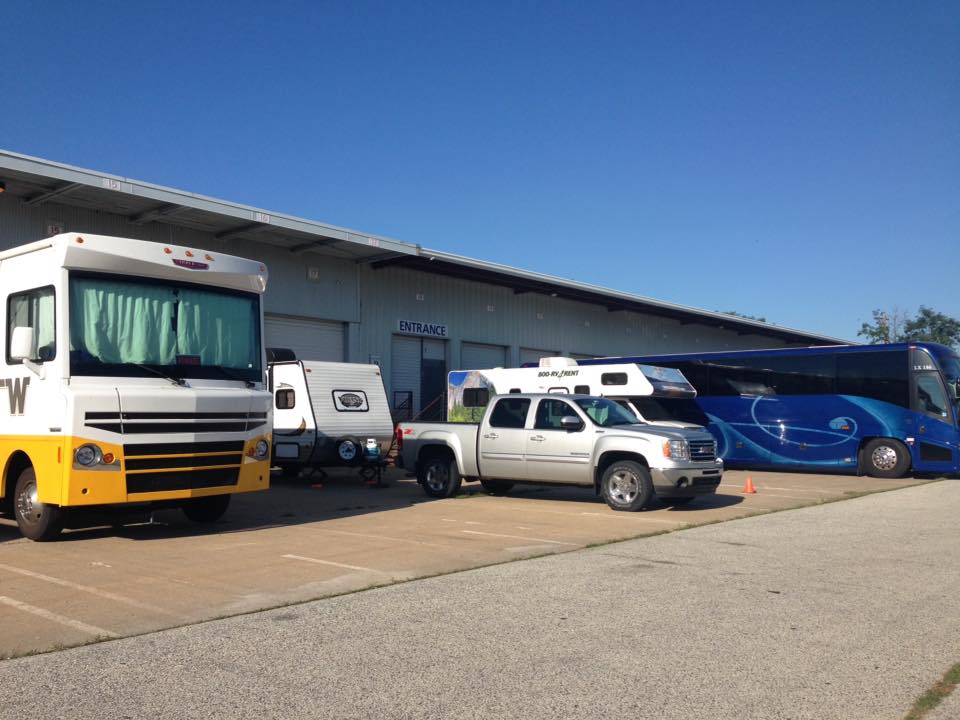
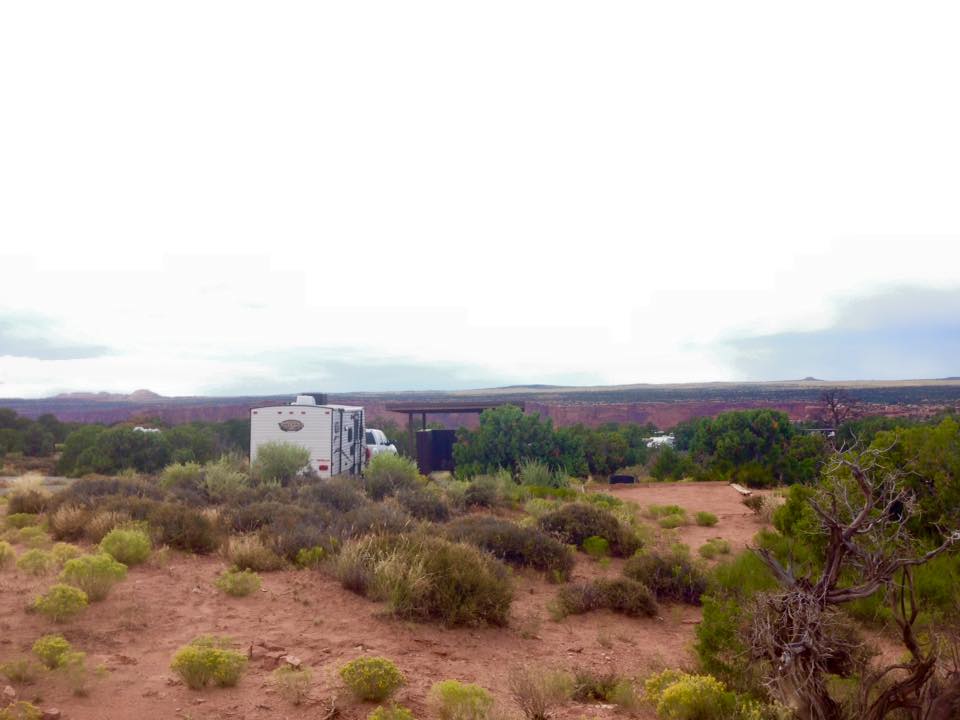
Unfortunately we’ve never given this trailer a name, we just always refer to it as “The Camper”.  She’s been with us on road trips along the coasts of Lake Michigan, Lake Huron, and Lake Erie.  Over the the Mackinaw, Golden Gate and Brooklyn bridges.  She’s been from Michigan to Washington and down the Pacific coast to California.  She’s been with us up and down the Atlantic coast from Maine to Georgia.  And she’s been to the Grand Canyon and back.

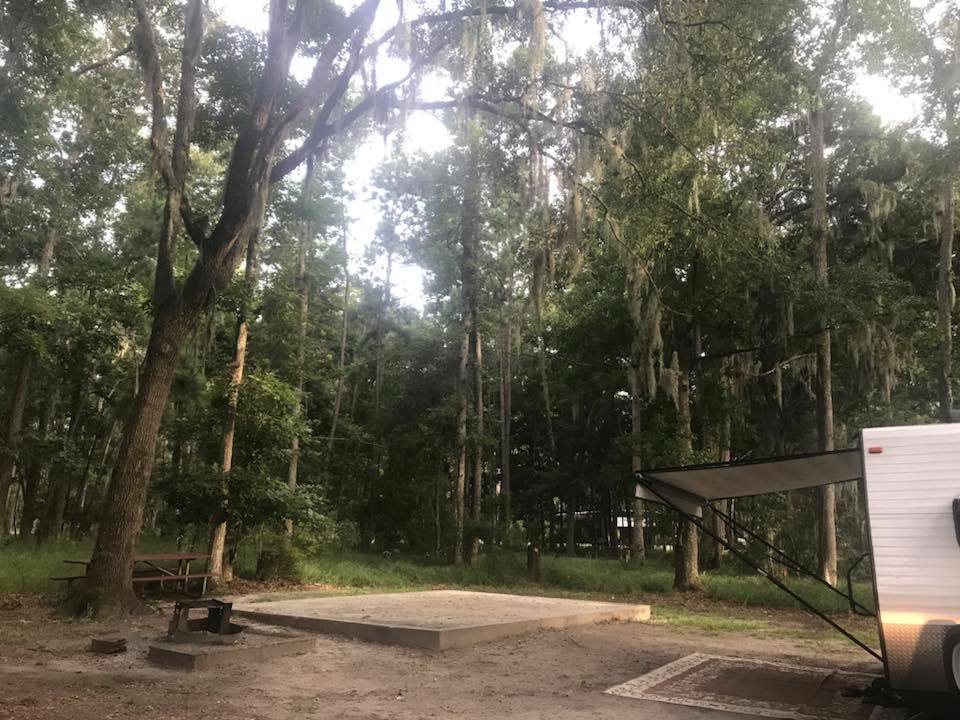
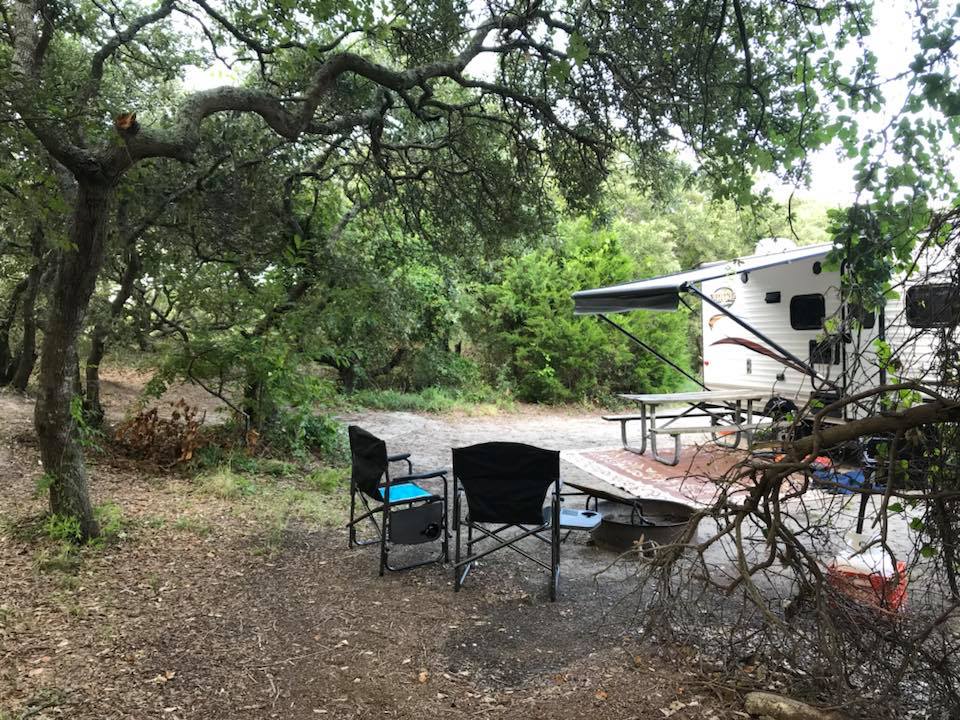
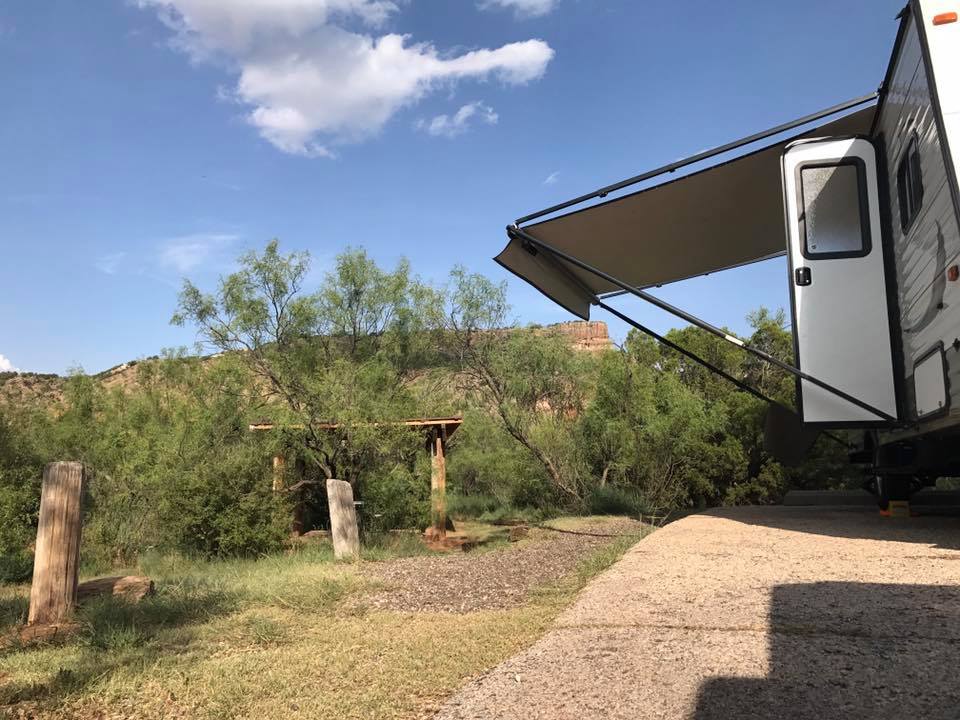
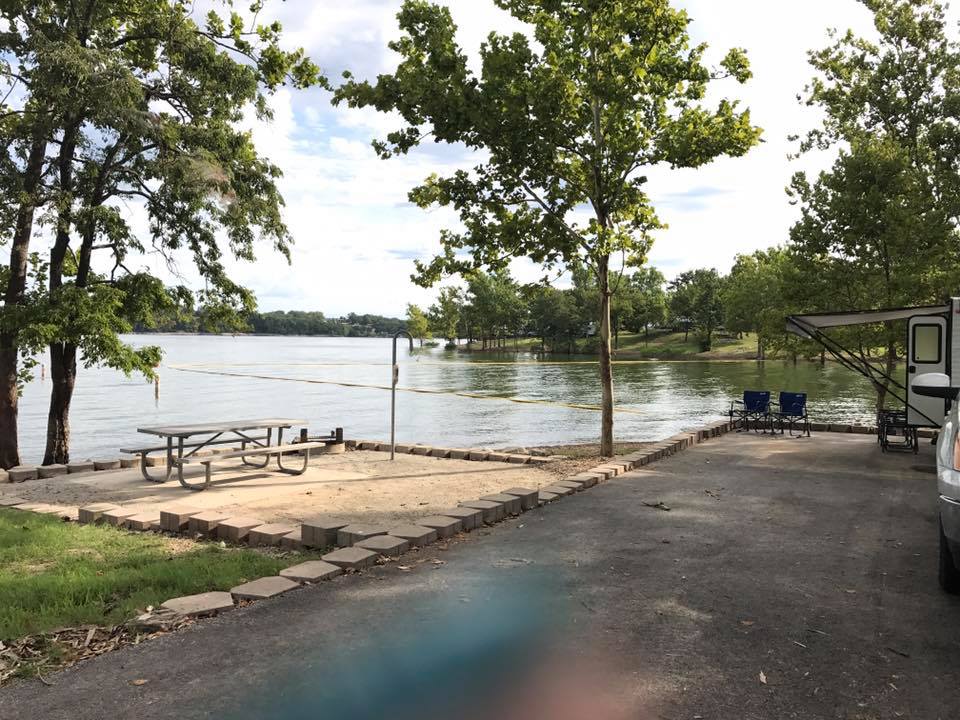
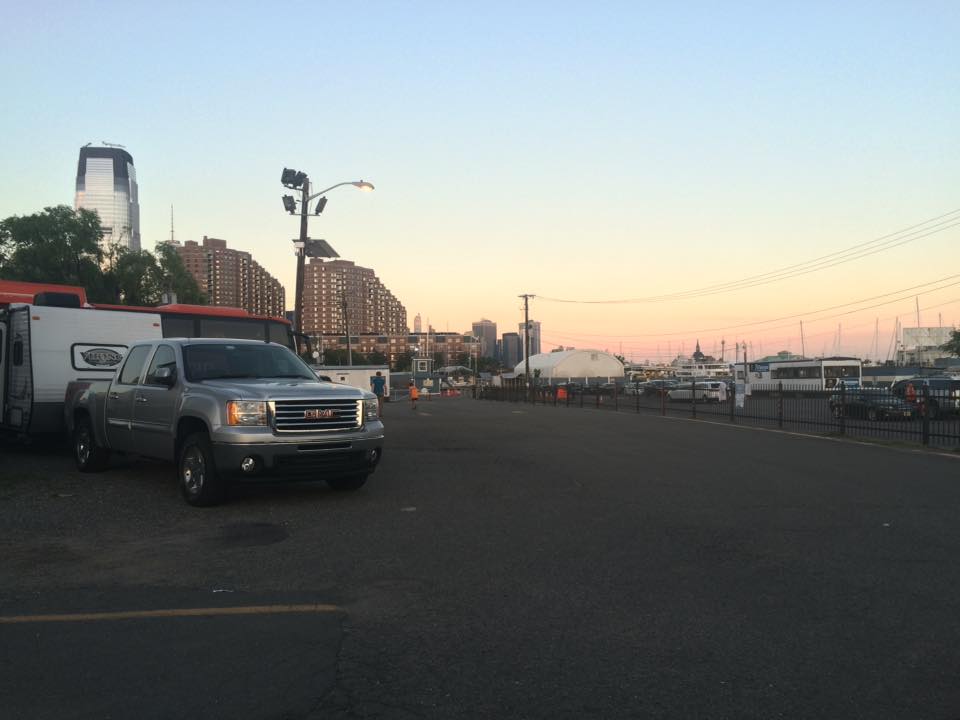
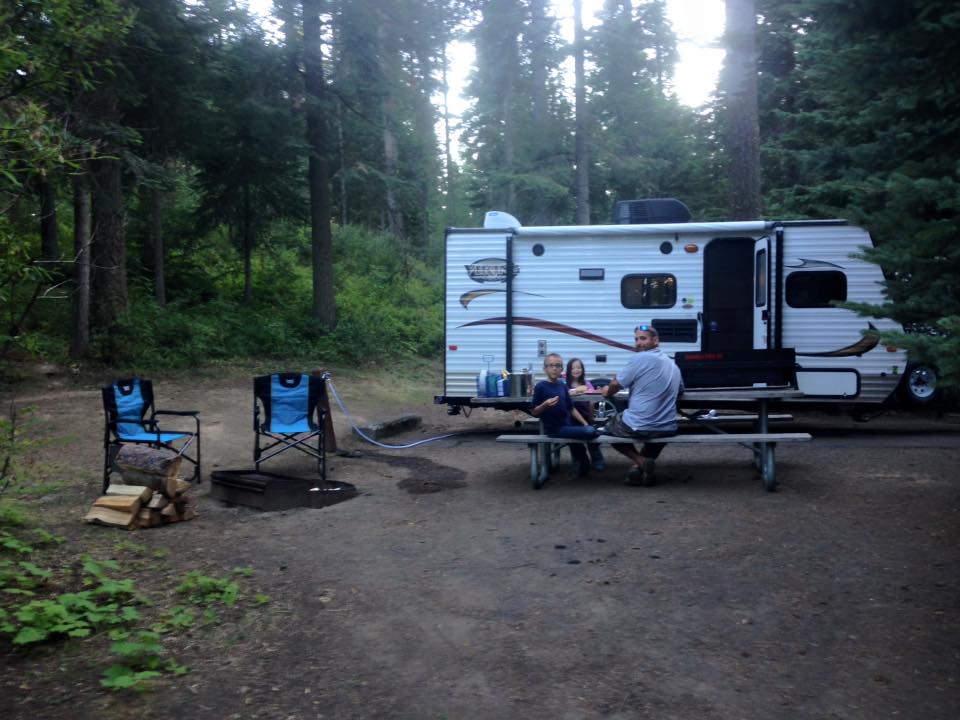
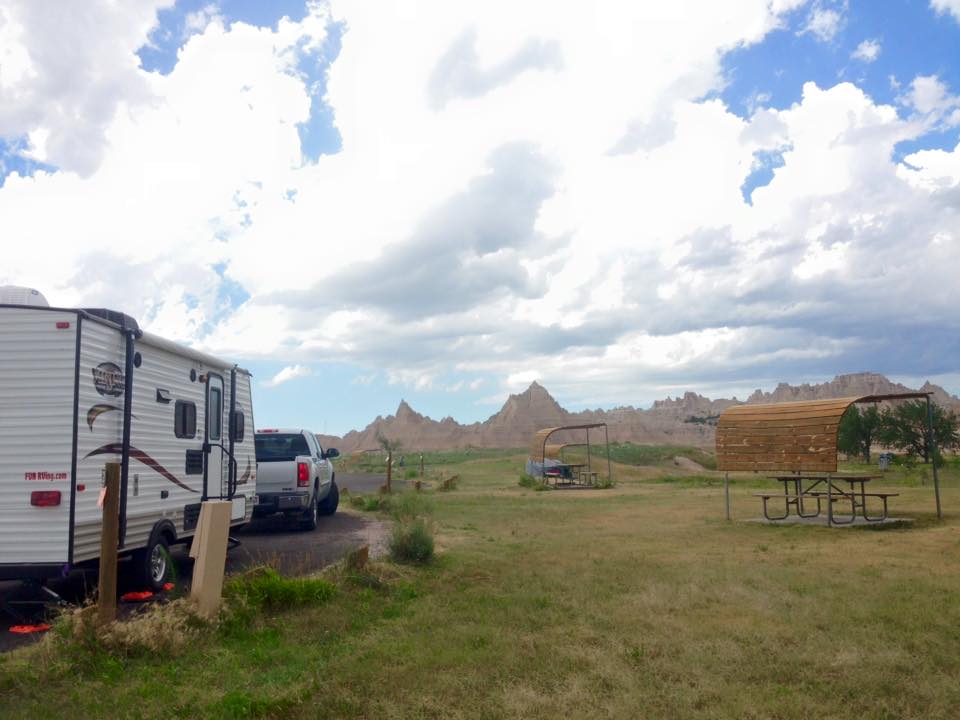
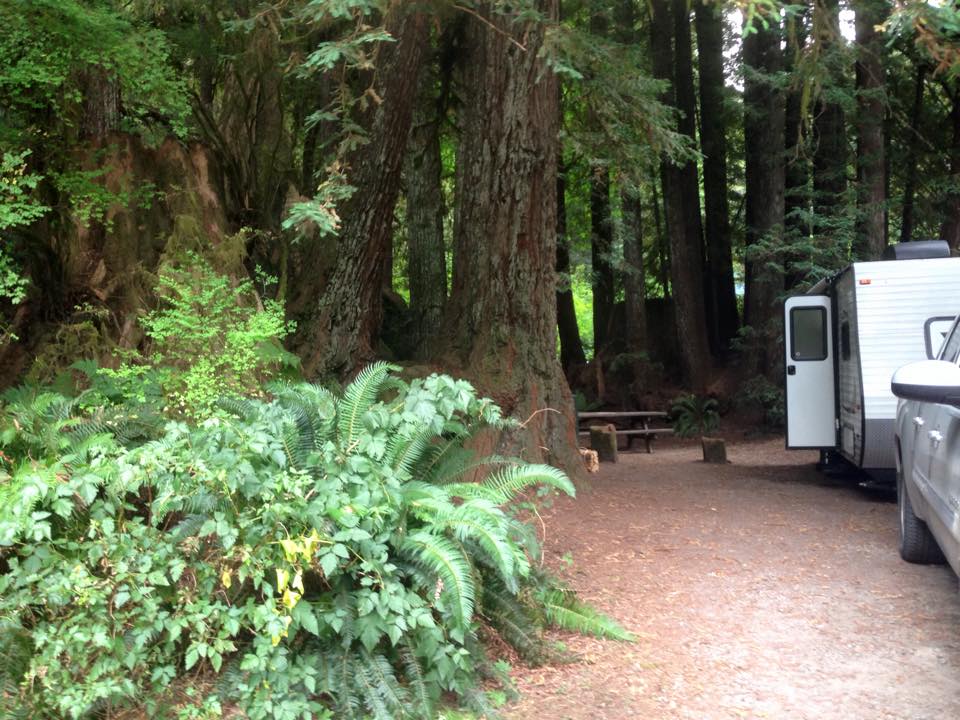
Check out just a few of the places she’s rested across this country:

Georgia
Virginia
Texas
Missuri
New Mexico
New York
Rhode Island
Philadelphia, Pensilvania
New Jersey
Minnesota
Oregon
Nevada
South Dakota
California
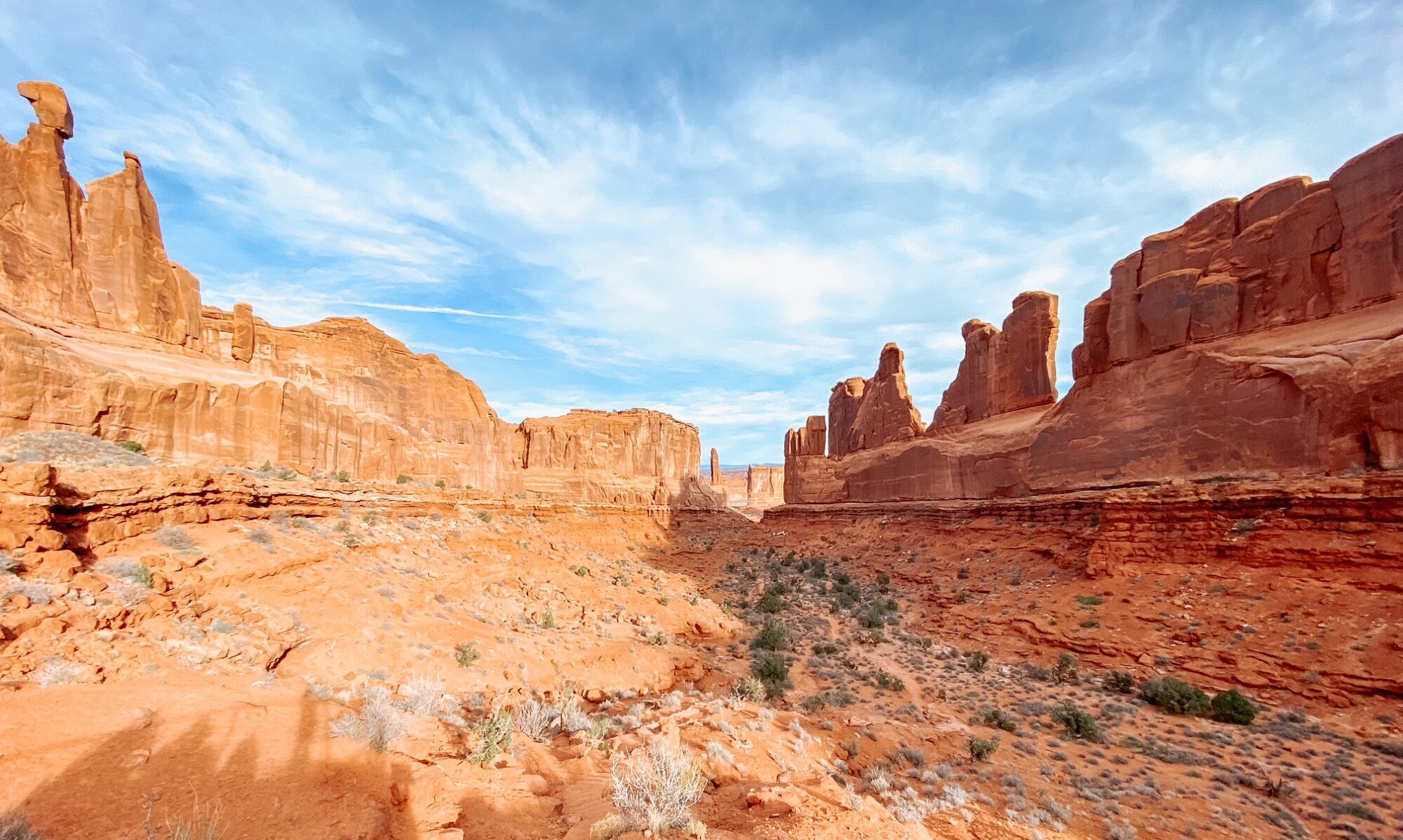
Utah Canyons